How Data Reveals Discrimination: A Case Study

What isn’t in the data?
#triggerwarning: This post touches on body image and industry representation.
A few years ago, I performed an SEO audit -> content strategy roadmap for an online fashion retailer. The challenge at hand was how to improve their search profile with young women.
In every category—Dresses, Blouses, Skirts, Prom, Formal, Homecoming, etc.—there was a huge volume of search for color: [blue prom dress], [red skirt], [green top], etc. Every category except one, that is: [plus size].
(NOTE: I hate saying “larger” and “plus size” because we’re often talking about perfectly normal size people. I’m dealing with industry standard terminology. Bear with me.)
When you looked at the search data for these queries, there was almost zero volume for color. The only term that showed any life at all was [white].
My first reaction: this can’t be right.
Resignation
My second reaction was… a few moments of reflection. Okay, I get it. The options out there for larger girls and women were limited enough that shoppers were less likely to search on color because they knew there was little point. Why waste your time—you’ll be lucky to find something that fits at all.
Still, I couldn’t quite fathom the magnitude of what I was seeing in the data. If you’d told me that color query volume was half what it is for “normal”-sized shoppers, I’d have said, sure, that makes sense.
But the volume wasn’t half. It was damned near nonexistent.
[plus size prom dress blue]? No.
[plus size prom dress red]? Nope.
[plus size prom dress green]? Are you kidding?
[plus size prom dress fuchsia]? Get out of my store.
Better Culture, Better Business
There’s a huge ethical problem here, and I’m going to assume it’s obvious to you. But, since this is a business post for a business audience, let’s focus on the business problem.
The absence of color searches in plus-size fashion told us the market had trained the hope out of millions of women. When you can’t find what you want as a matter of course, you stop looking, right?
But when customers stop searching, they haven’t stopped wanting. They’ve simply accepted that you don’t see them. Once that happens, forget loyalty and advocacy. Forget relationships. Reluctant transactions are all you have left.
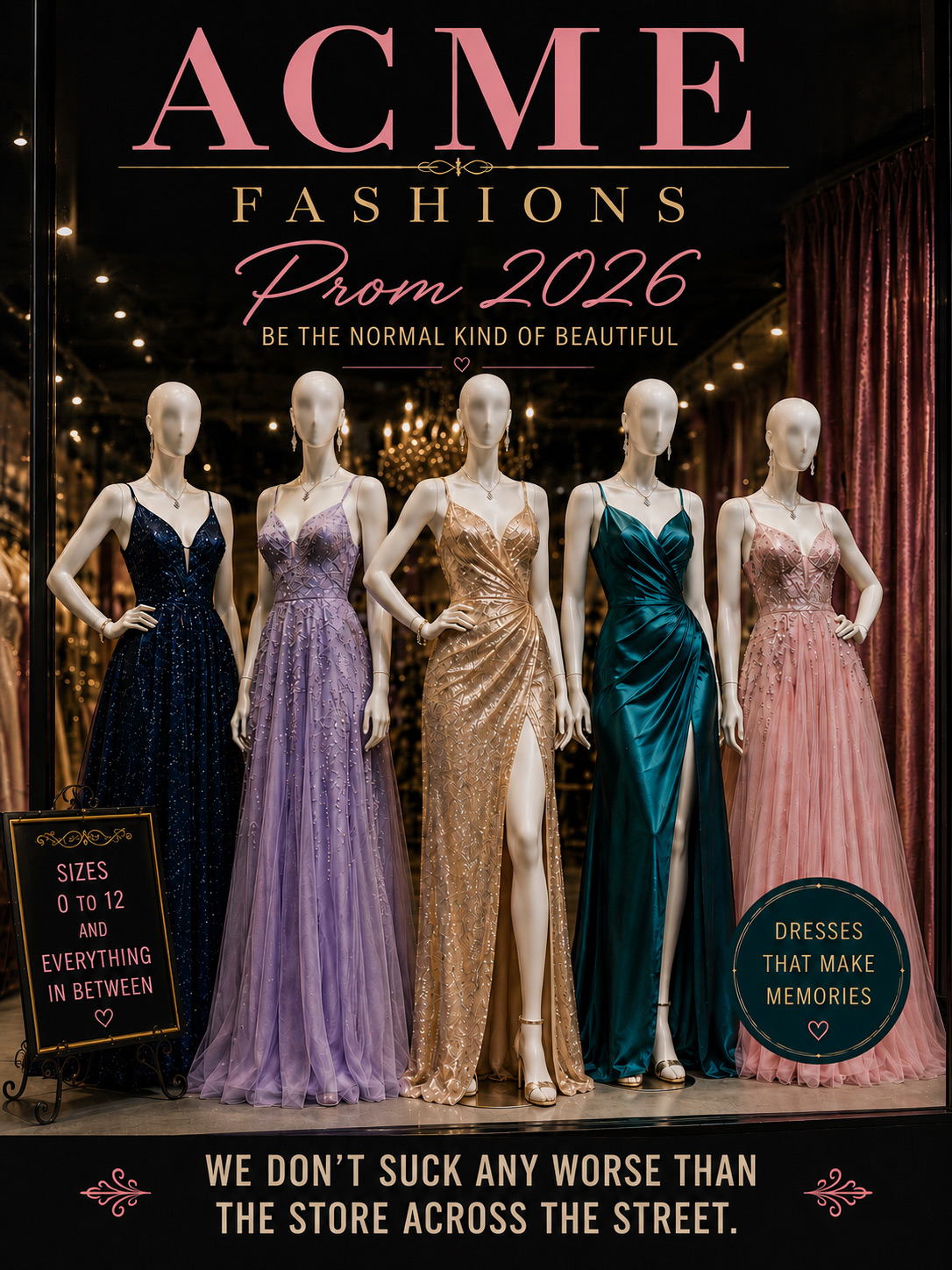
“We’re no worse than the other guys” isn’t a winning brand promise.
 Opportunity
This project made an ugly observation about the marketplace, but it also represented a tremendous opportunity: While your competitors fight over customers who are being well served, there’s an entire segment that’s desperate to be pleased.
When you show up for people who’ve been overlooked, they don’t just buy from you. They become evangelists. You noticed and responded when everyone else looked right through them.
That’s not just better marketing. That’s better humanity.
And better humanity is a brand you can stand on.
 lullaby pit